President
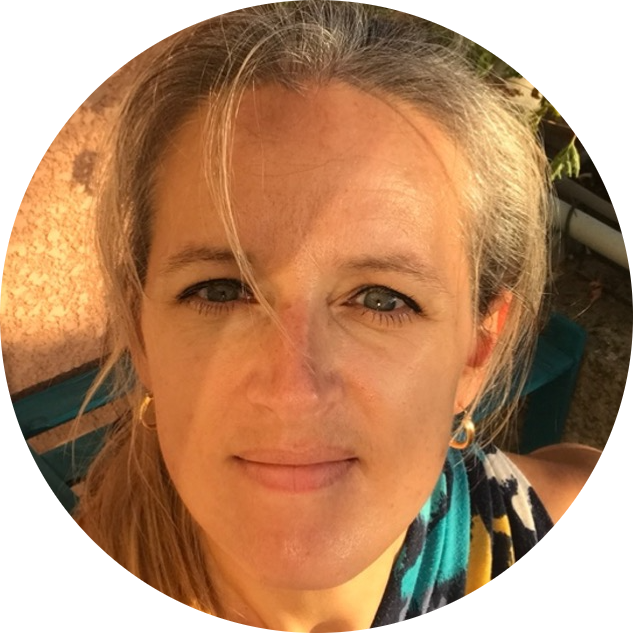
Angélique Gobet is a researcher in microbial ecology at Ifremer in the MARine Biodiversity, Exploitation and Conservation research (MARBEC) join research unit in Sète and Palavas-les-flots, France. Her research focuses on the ecology of microbial communities and macrophyte holobionts in coastal and aquaculture environments in the context of climate change and eutrophication. Her work involves using and developing various molecular tools (e.g., based on environmental DNA, metabarcoding, and ‘omics’ approaches) and experimental methods (e.g., mesocosm cultures). She is involved in disseminating knowledge about microbial communities and algal holobionts as part of the Master’s program on Host-Microbe Interactions (University of Thessaly, Greece) and various outreach initiatives in the Thau Basin (e.g., Science Festival, exhibition on algae at the Ethnographic Museum of the Thau Lagoon).
Vice-President
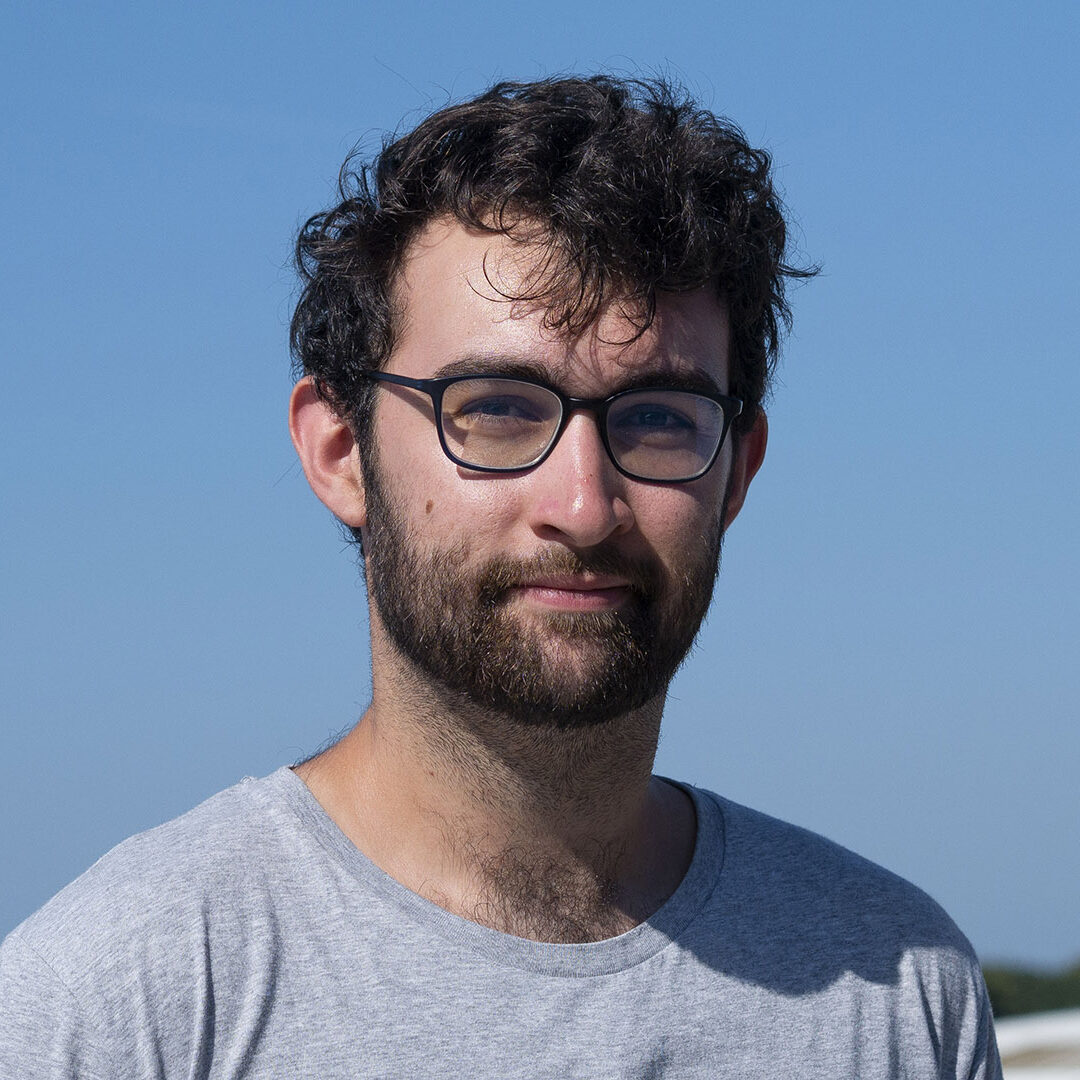
Thomas Burel is a lecturer at the University of Western Brittany. He carries out his research at the LEMAR (UMR 6539) within the European Institute for Marine Studies (IUEM). His current research focuses on (1) the functioning of coastal ecosystems dominated by large algae, particularly long-term changes, (2) the monitoring of non-indigenous species along the Channel-Atlantic coast and (3) the diversity of macroalgae through morpho-anatomical identification.
Treasurer
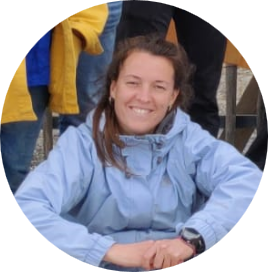
Anne-Sophie Burlot is a lecturer at the University of Southern Brittany in Vannes, carrying out her research at the Laboratory of Marine Biotechnology and Chemistry (LBCM). Her work focuses on 3 areas. The first focuses on the characterisation of molecular interactions within holobionts made up of macroalgae and their associated microbiota, in a given habitat. The second area of research involves developing defence and mediation molecules for a variety of applications using eco-responsible extraction and purification processes. The biological antioxidant, antimicrobial, antibiofilm, antifouling and photoprotective activities of extracts and molecules from holobionts are evaluated. Finally, she is interested in the ecological restoration of the marine environment by studying the interactions between the endemic species of a habitat and non-indigenous species.
Vice-treasurer
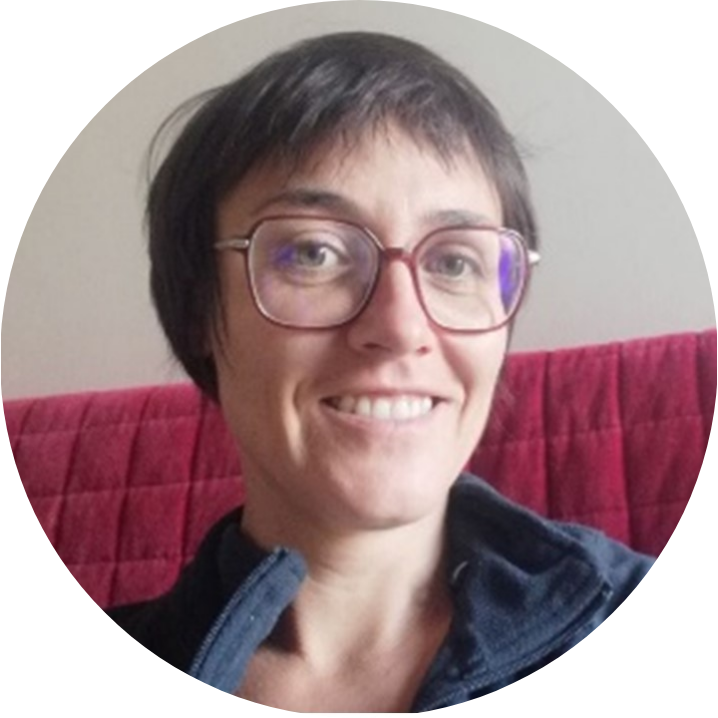
Rossanna Sussarellu is a marine biologist, specialised in functional genomics. She is a permanent researcher at the IFREMER of Nantes, in the microalgal genomics group (GENALG) in the PHYTOX laboratory, which studies toxic species. The general question of her research relates to the the comprehension of the regulation of responses of marine organisms to different environmental forcing conditions (oxygen, contaminants, nutrients), via the study of genomes and genome expression via differerent angles (genetics, gene expression, epigenetics). She previously worked on the ecotoxicology of marine molluscs and phytoplankton. Her most recent research relates to the mechanisms of mixotrophy found in toxic microalgae.
Secretary
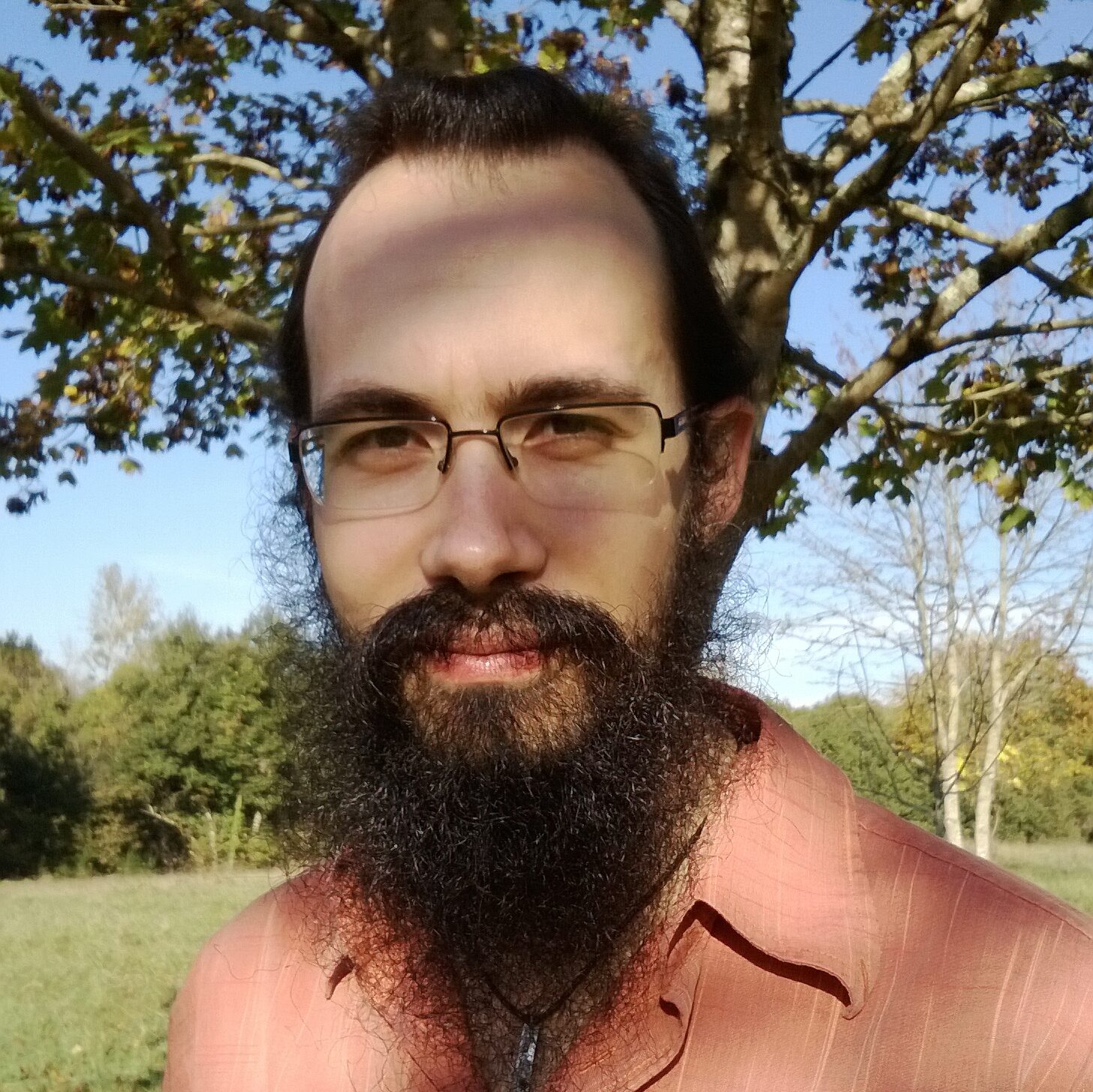
Gabriel Markov is a CNRS researcher and a member of the “Biology of algae and interactions with the environment” team in the Laboratory of Integrative Biology of Marine Models (UMR 8227) at the Roscoff Biological Station. His work focuses on the evolution of metabolism and signalling in brown algae, particularly in the context of an interaction between kelp and endophytic ectocarpales.
Vice-secretary
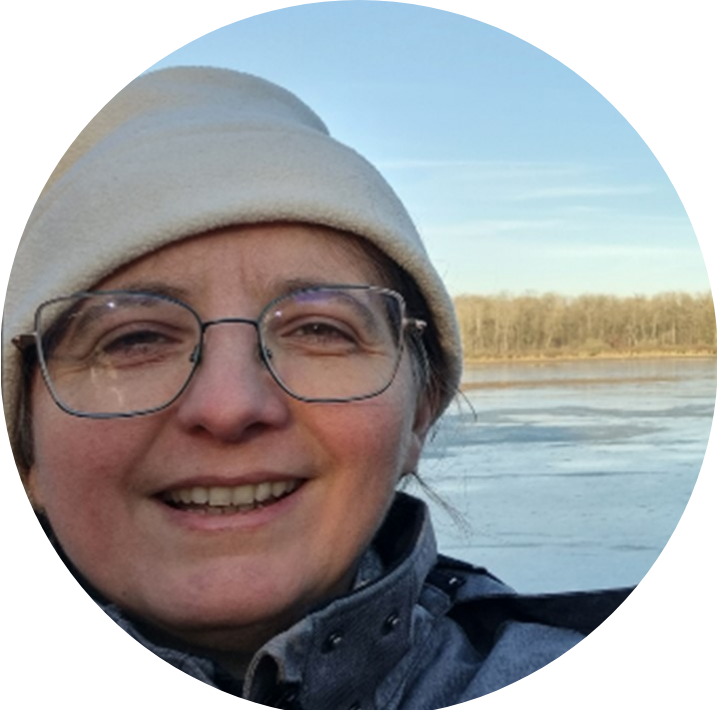
Claire Gachon is a Professor at the Natural History Museum of Paris. She is interested in all aspects (physiology, evolutionary, ecological, societal) of the pathogens of marine and freshwater algae. She is particularly interested by interdisciplinary and international research, and participates in numerous learned societies abroad, such as the British Phycological Society and the International Society for Applied Phycology.
Prof. Nathalie Bourgougnon has been working at the Laboratoire de Biotechnologie et Chimie Marines (LBCM) of the Université Bretagne Sud since 2001. The main theme of her research is the search for defense molecules from macroalgae. She has a good experience in the field of extraction by eco-responsible processes, purification, characterization and evaluation of biological activities of molecules (antifouling or antiviral activities). Recently, she coordinated the ECOS North Mexico project (2015-2018) and PHC NUSANTARA Indonesia (2019-2021).
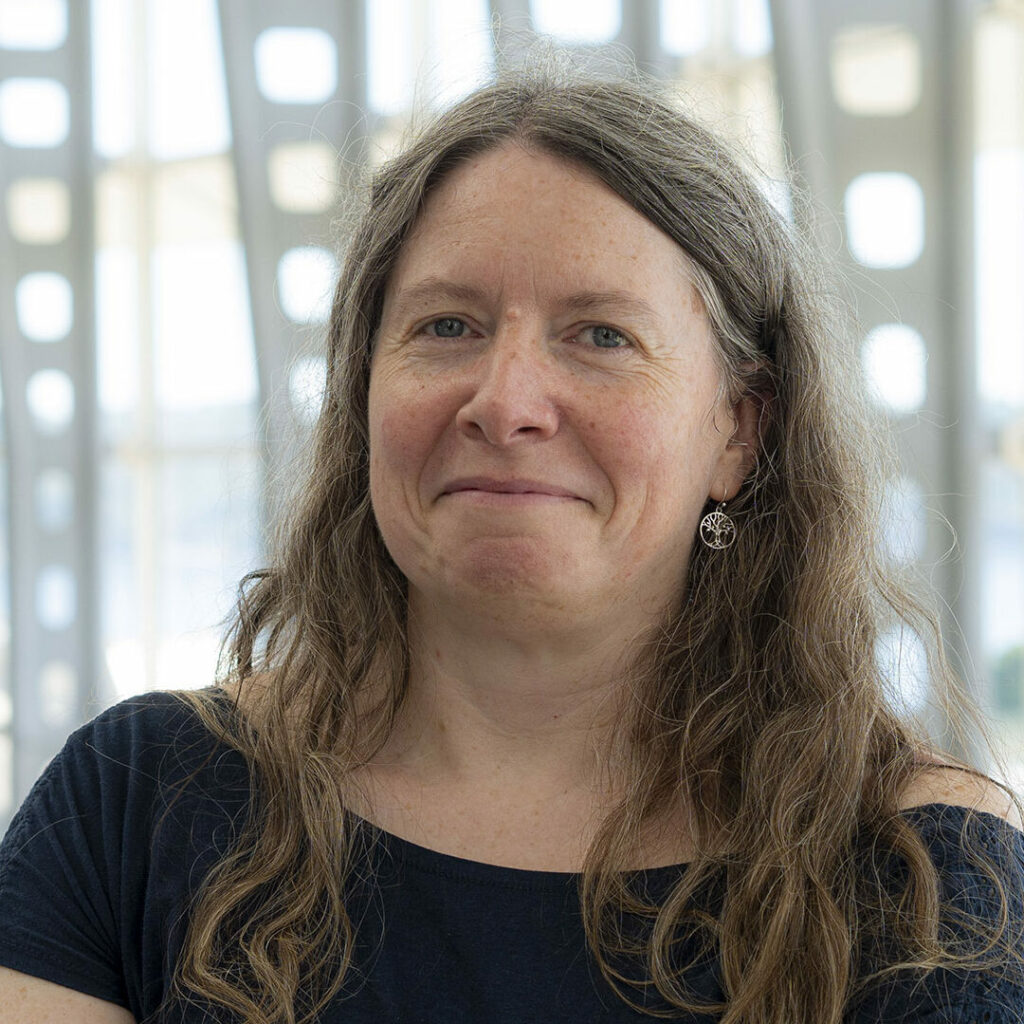
Solène Connan is a lecturer at the Université de Bretagne Occidentale in Brest. She carries out her research at the European Institute for Marine Studies (IUEM) in Plouzané within the PANORAMA team (Integrative Physiology and Adaptation of Marine Organisms: from the gene to the population) of the Marine Environment Sciences Laboratory (LEMAR; UBO/CNRS/Ifremer/IRD). She studies the ecophysiology of algae and is more specifically interested in certain algal molecules such as pigments, phenolic compounds and mycosporin-like amino acids, from their detection/identification in algae to their valorisation.
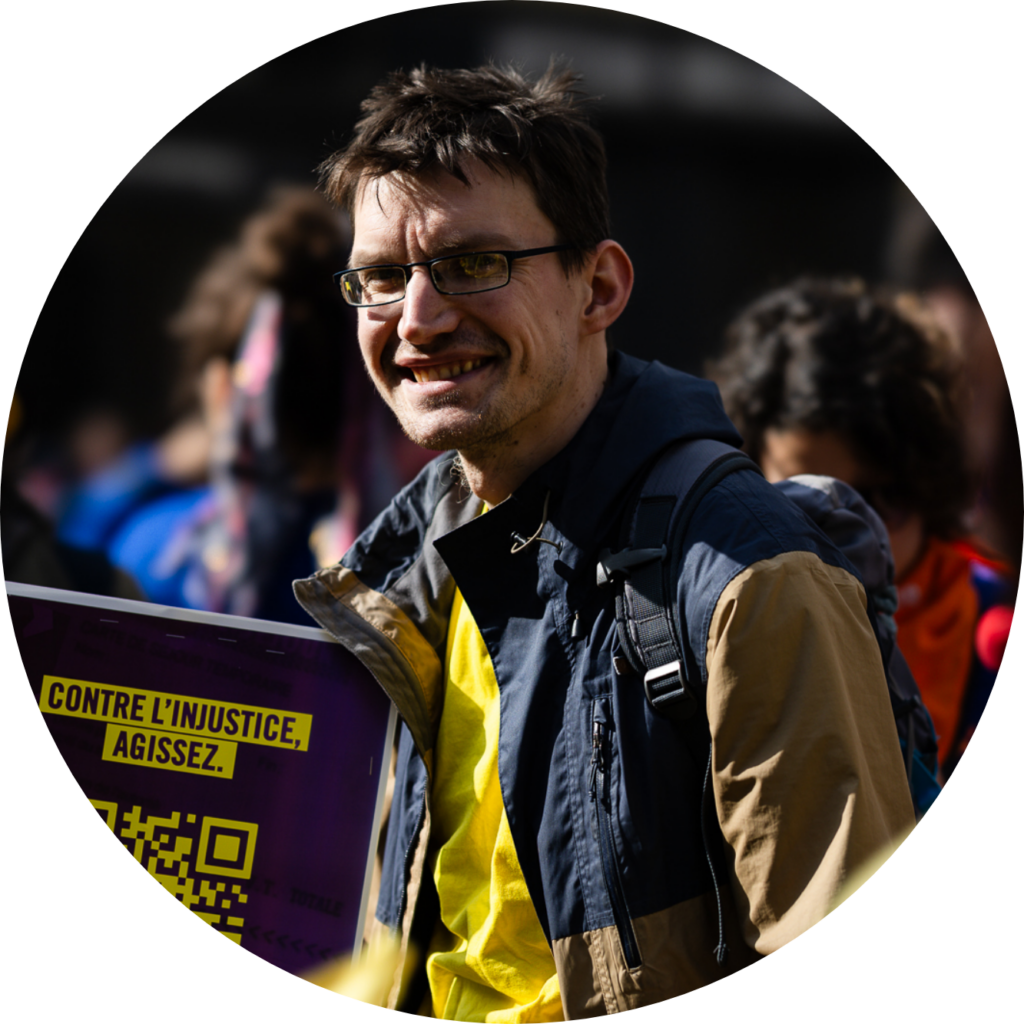
Richard Dorrell is a CNRS researcher, group leader at the CQSB, Sorbonne Université, and affiliated lecturer at the University of Cambridge. Their research relates to the links between the evolutionary diversity, genetic interactions and ecophysiology of algae possessing chloroplasts of secondary red endosymbiotic origin in the global ocean. They are particularly interested by the origins and the diversification of secondary red chloroplasts, which can be considered as “mosaics” composed of nucleus-encoded proteins derived from the endosymbiont, the host, and horizontal gene transfers; and their functional characterization via computational and experimental techniques. A second axis of their research relates to the impacts of biogeography and environment on algal genome evolution, particularly those of the diverse species indigenous to the Arctic Ocean, and the identification of molecular indicators for algal species resilience and fragility to ocean heating.
Matthieu Garnier is a marine microbiologist, researcher at IFREMER. His research on phytoplankton focuses on the molecular mechanisms of acclimation and on the metabolic interactions between microalgae and bacterial communities. He currently leads the microalgae genomics team (GENALG) of the PHYTOX unit (Nantes), a unit dedicated to the study of toxic species.
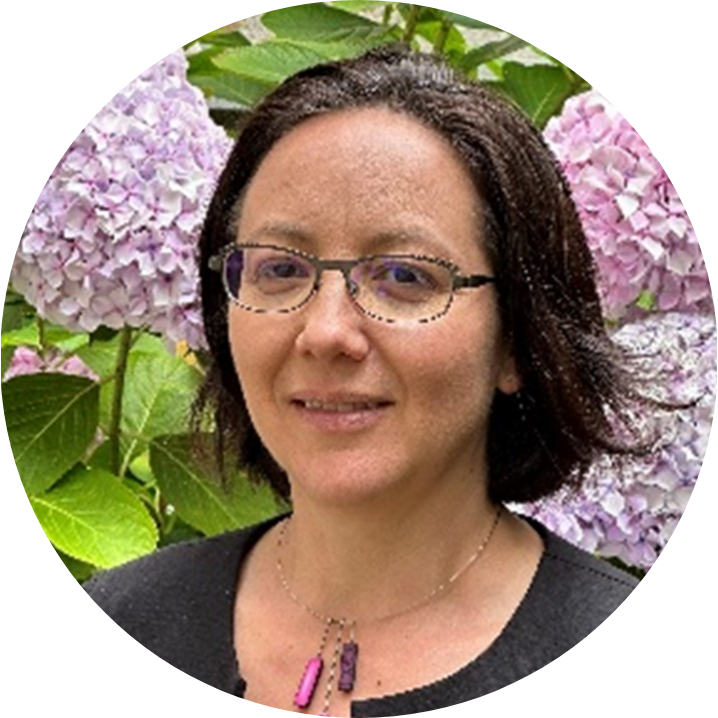
Cécile Hervé is a research director at the Roscoff Marine Station, leading the group “Glycans of Brown Algae”. Her work on the cell walls of brown algae, conducted since 2009, relates to the understanding of their structural diversity, the associated biosynthetic pathways, and their biological properties. She uses genomic analysis, enzyme biochemistry, and polysaccharide extraction, as well as the generation of antibodies for cell wall imaging. Her research has led her to become interested in the diverse metabolique pathways specific to algae in their ecosystem. She has expertise in the interfaces between biology and chemistry, and in marine biotechnology.
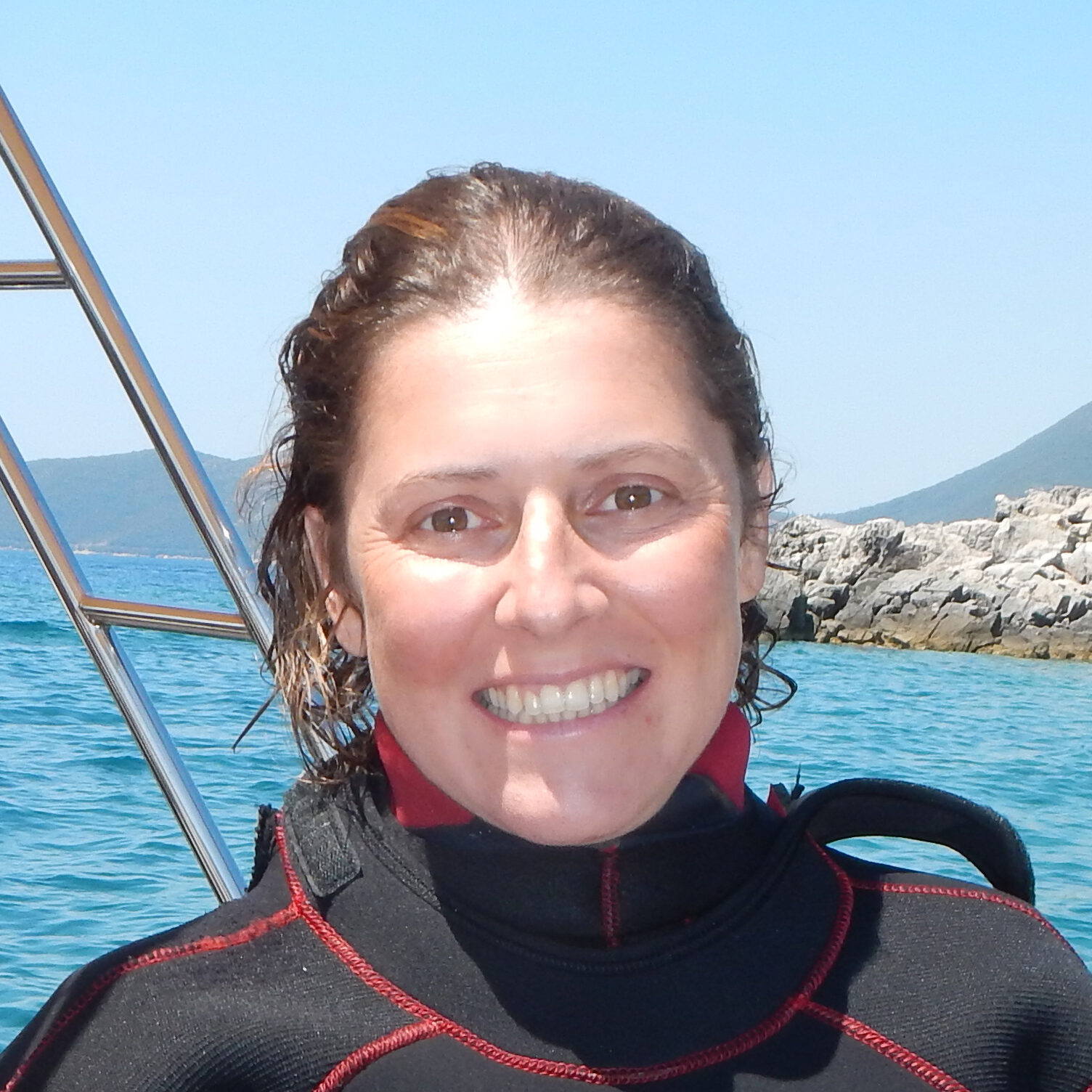
Luisa Mangialajo is Professor in Ecology at the ECOSEAS Laboratory, University of Côte d’Azur and Deputy Director of the MARRES Federative Research Institute. She is the author of more than 50 indexed papers on the benthic ecology of Mediterranean rocky coastal ecosystems. Her current research focuses on i) the ecology of marine forests of large brown algae (Cystoseira sensu lato) in the context of global change, their conservation and restoration (@niceseaforests) and ii) benthic dinoflagellate blooms (Ostreopsis).
Former board members
Rodolphe Lemée – LOV – Sorbonne Université
Eric Deslandes LEMAR- IUEM – UBO
Christophe Destombe AD2M- SBR- Sorbonne Université
Justine Dumay ISOMer- Nantes Université
Régis Gallon – LUSAC – CNAM Intechmer
Line Le Gall ISYEB- MNHN- Sorbonne Université
Catherine Leblanc LBI2M- SBR- Sorbonne Université